
Borehole drilling is an essential process for water wells, geotechnical investigation, mineral exploration, and agricultural water supply. Although the equipment may look complex, the basic process usually follows a clear sequence: site assessment, rig setup, drilling, casing installation, cleaning, and final well completion. Understanding these steps can help project owners choose the right equipment, plan the job site, and avoid unnecessary delays.
A borehole drilling machine uses power, rotation, downward pressure, drilling tools, and circulation systems to penetrate soil or rock formations. Different ground conditions require different drilling methods, such as rotary drilling, percussion drilling, or air rotary drilling. For a more detailed breakdown of the machine structure and operating sequence, this guide on how a borehole drilling machine works provides a useful step-by-step explanation.
1. Site Assessment Comes First
Before drilling begins, the project team needs to understand the ground conditions. This may include reviewing geological information, checking the expected water table depth, identifying access routes, and confirming whether there are underground pipes, cables, or other obstacles.
A good site assessment helps determine the drilling method, borehole depth, casing requirements, and equipment size. Skipping this step can lead to poor drilling performance, unstable boreholes, or safety risks during operation.
2. Rig Setup and Alignment
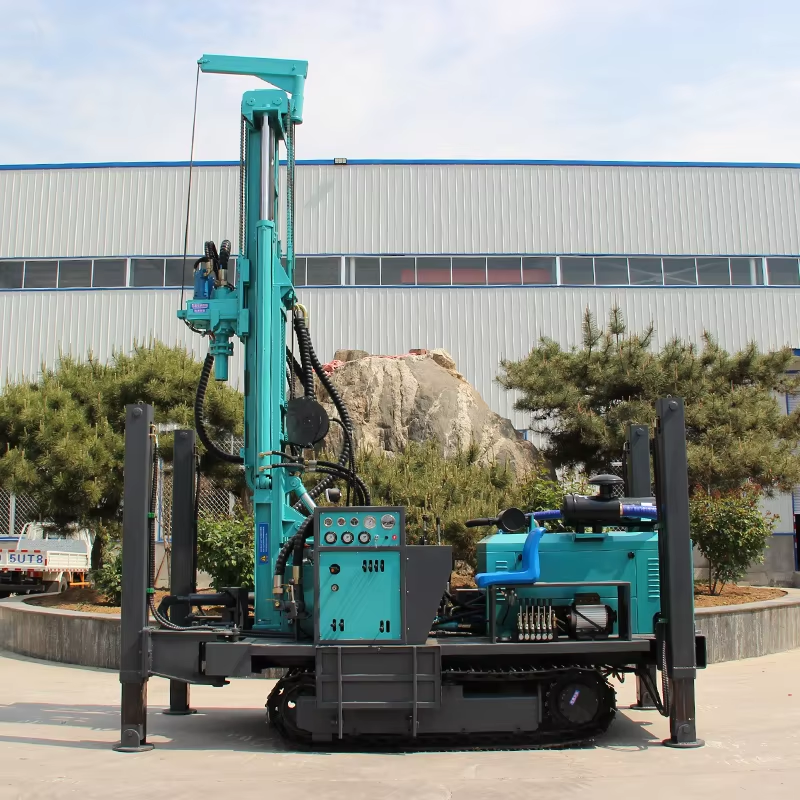
After the site is prepared, the drilling rig must be positioned on stable ground. The mast should be aligned correctly so the borehole remains straight during drilling. If the machine is not level or the mast is not properly positioned, the drill string may deviate, causing extra wear on drill rods, bits, and other tools.
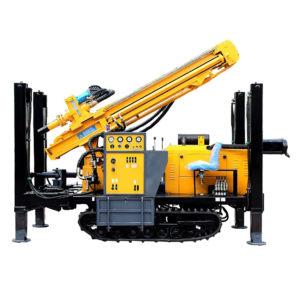
For remote or uneven job sites, crawler-mounted rigs are often preferred because they provide better mobility and stability. The right setup can improve drilling accuracy and reduce downtime.
3. Drilling Through Soil and Rock Layers
During drilling, the drill bit rotates or impacts the formation while the rig applies controlled downward pressure. In soft ground, rotary drilling may be enough to cut through soil, clay, sand, or gravel. In harder rock formations, percussion or DTH drilling may be required to break the rock more efficiently.
The choice of drilling method depends on the formation type, required depth, borehole diameter, and available compressor or mud pump system. Matching the method to the ground condition is one of the most important factors in drilling efficiency.
4. Removing Cuttings and Stabilizing the Borehole
As drilling continues, cuttings must be removed from the borehole. Depending on the drilling method, this can be done with drilling fluid, mud circulation, or compressed air. Proper circulation helps cool the drill bit, carry rock fragments to the surface, and keep the hole clean.
In unstable formations, drilling fluid or casing may also help prevent the borehole wall from collapsing. This is especially important when drilling through loose soil, sand, or fractured formations.
5. Casing, Grouting, and Well Completion
Once the borehole reaches the required depth, casing is installed to support the hole and protect the water source. In many water well projects, grouting is used to seal the space around the casing and reduce the risk of surface contamination entering the well.
After casing and sealing, the well may be cleaned, developed, and tested before a pump or monitoring equipment is installed. These final steps help ensure long-term well performance and water quality.
6. Choosing the Right Drilling Equipment
The right equipment should match the drilling depth, ground condition, borehole diameter, and project environment. For example, a shallow agricultural water well may not need the same machine as a deep borehole project in hard rock. Buyers should compare rig depth capacity, torque, lifting force, mobility, compressor requirements, and maintenance support before making a decision.
If you are comparing different machine specifications, Zhejiang Xinyu Machinery offers several water well drilling rig models that can be used as a reference for different drilling depth and project requirements.
Conclusion
Borehole drilling is a systematic process that depends on proper planning, suitable equipment, and correct operation. From site assessment to final well completion, each step affects drilling speed, borehole stability, and long-term well performance. By understanding how the process works and selecting the right drilling rig for the job, project owners can reduce risk, improve efficiency, and achieve more reliable drilling results.