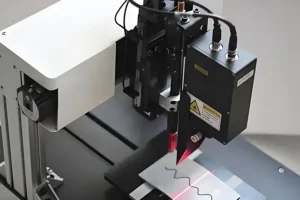

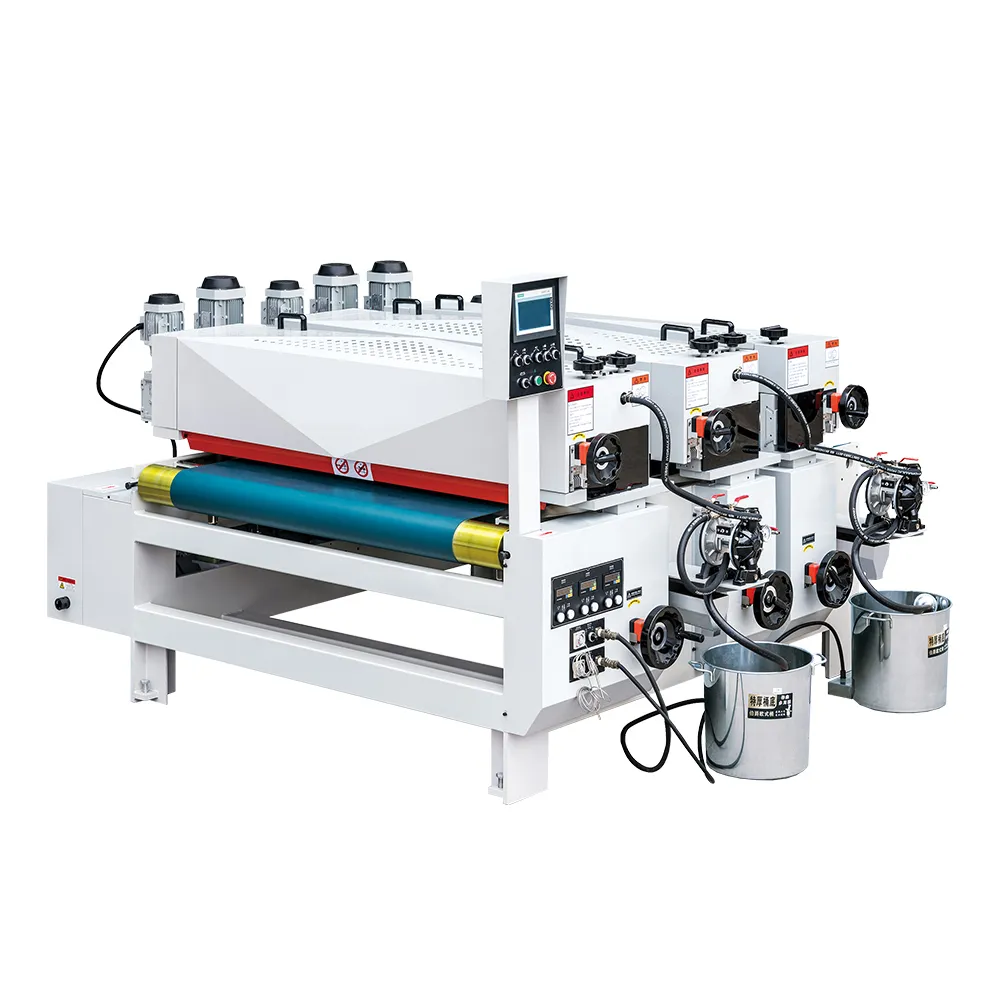
Roll coating is widely used in woodworking, furniture production, flooring, doors, panels, and other flat surface finishing applications. Compared with manual spraying, a roll coating line can provide more consistent film thickness, higher production efficiency, and better material utilization. However, stable coating quality depends on correct machine setup, proper material control, regular maintenance, and careful inspection during production.
When coating defects appear, operators should avoid adjusting the machine randomly. Problems such as craters, fish eyes, blistering, uneven film thickness, web slippage, and roller wear often have different root causes. For a detailed troubleshooting reference, this guide to common roll coating machine problems explains several typical defects and corrective methods.
1. Control the Coating Material Before Production
Coating quality starts with the coating material itself. Before production begins, operators should check the viscosity, temperature, mixing condition, and cleanliness of the coating. If the coating is too thick, too thin, poorly mixed, or contaminated with dust and particles, the final surface may show uneven texture, pinholes, or adhesion problems.
For wood panels and furniture parts, coating material should be filtered when necessary and kept within the recommended working range. A stable coating formula helps the roller apply a uniform layer and reduces the chance of defects during continuous production.
2. Prepare the Wood Surface Properly
Even a well-adjusted roll coating machine cannot produce a high-quality finish if the substrate surface is not prepared correctly. Dust, oil, sanding marks, uneven moisture content, and loose fibers can all affect coating adhesion and surface appearance.
Before coating, wood panels should be sanded evenly and cleaned carefully. In many production lines, sanding machines, dust removal systems, and coating machines work together as part of a complete finishing process. Good surface preparation reduces rework and improves the consistency of the final finish.
3. Set the Roller Gap and Pressure Correctly
Roller gap and pressure are two of the most important settings in a roll coating process. If the pressure is too high, the coating may be squeezed unevenly or the substrate surface may be damaged. If the pressure is too low, the coating layer may be incomplete or inconsistent.
Operators should adjust the gap according to the substrate thickness, coating viscosity, and required film thickness. Regular calibration is also important because roller wear, vibration, or alignment problems can gradually affect coating accuracy.
4. Maintain Stable Feeding Speed
The feeding speed must match the coating material, roller speed, and drying process. If the speed is too fast, the coating may not spread evenly or may fail to cure properly. If the speed is too slow, excessive coating buildup may occur, leading to waste and surface defects.
For continuous woodworking production, speed stability is especially important. Sudden acceleration or deceleration can cause uneven coating weight, roller marks, or inconsistent gloss across the panel surface.
5. Check Drying and Curing Conditions
After coating, drying and curing conditions directly affect the final surface quality. Temperature, airflow, humidity, UV curing intensity, and line speed should all be controlled according to the coating type. Poor drying control may cause blistering, poor adhesion, soft film, or surface defects.
In automated production, the roll coating machine is often connected with drying equipment or UV curing systems. The complete line should be balanced so that coating application and curing work together efficiently.
6. Build a Preventive Maintenance Routine
Many coating quality problems are caused by gradual machine wear rather than sudden failure. Worn rollers, unstable bearings, misaligned components, dirty pumps, blocked filters, and inconsistent pressure settings can all reduce coating performance over time.
A preventive maintenance plan should include roller cleaning, bearing inspection, alignment checks, pressure calibration, pump maintenance, and regular testing of sensors and control systems. These small routines help reduce unexpected downtime and keep coating quality stable.
7. Compare Equipment Options for Long-Term Production
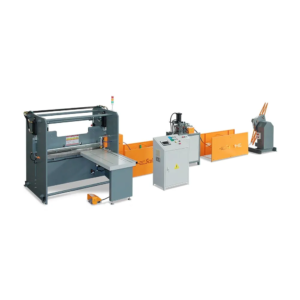
For factories that need higher output and more consistent finishing quality, equipment selection matters. Buyers should compare machine structure, roller material, coating width, speed range, control system, drying compatibility, and after-sales support before making a decision.
If you are planning a new finishing line or upgrading existing equipment, HICAS offers roll coating machine solutions for woodworking coating applications, which can be used as a reference when comparing production requirements and machine specifications.
Conclusion
Improving coating quality in a woodworking roll coating line requires more than adjusting one machine setting. It depends on material control, surface preparation, roller calibration, stable feeding speed, drying conditions, and preventive maintenance. By managing each part of the process carefully, manufacturers can reduce coating defects, improve product appearance, and maintain more efficient production.