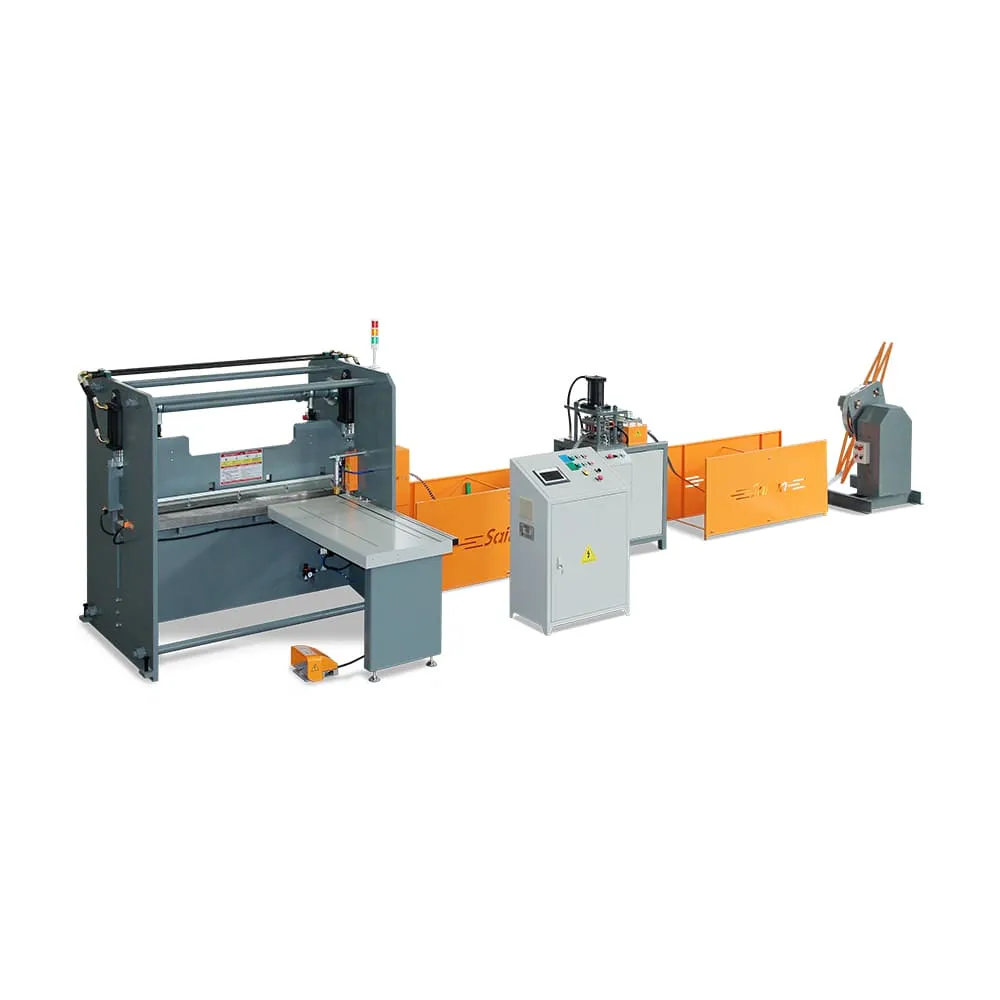
Industrial packaging is changing quickly as manufacturers look for stronger, cleaner, and more efficient ways to protect products during storage and transportation. Traditional nailed wooden boxes are still widely used, but they can create several problems, including metal contamination, difficult recycling, higher labor requirements, and safety risks from exposed nails or fasteners.
Nailless plywood boxes offer a practical alternative. Instead of using nails, screws, or glue, these boxes rely on precision-cut interlocking joints, folded plywood structures, and mechanical locking designs. For readers who want to understand the engineering behind this type of packaging, this guide on how nailless plywood box machines work explains how CNC cutting and hardware-free assembly help create secure packaging without metal fasteners.
1. Better Recycling and Cleaner Packaging
One of the main advantages of nailless plywood boxes is that they reduce the use of metal fasteners. In traditional wooden packaging, nails and screws can make recycling more difficult because metal parts must be separated from wood materials. If they are not removed properly, they may contaminate recycling streams or damage processing equipment.
With a hardware-free design, plywood boxes can be easier to dismantle, reuse, or recycle. This is especially useful for companies that want to improve packaging sustainability, reduce mixed-material waste, and meet stricter environmental expectations from customers or supply chain partners.
2. Safer Handling in Warehouses and Factories
Exposed nails, loose fasteners, and damaged wooden crates can create safety risks during loading, unloading, and warehouse handling. Workers may be scratched or injured by sharp metal parts, especially when packaging is reused multiple times.
Nailless plywood boxes reduce this risk because the structure does not depend on protruding nails or screws. A cleaner box design can improve workplace safety and make packaging easier to handle, stack, and disassemble after use.
3. Strong Structure Through Interlocking Design
A common concern is whether a box without nails can be strong enough for industrial transportation. The answer depends on the design, material quality, and cutting accuracy. Modern nailless plywood boxes use interlocking joints and tight-fitting panels to distribute load across the structure.
Instead of relying on individual fastener points, the box strength comes from the way the panels connect and support each other. This can help reduce weak points caused by rusted nails, loose screws, or uneven manual assembly.
4. Faster Assembly and Lower Labor Requirements
In many factories, packaging speed affects the entire shipping process. Traditional nailed crates require workers to position panels, use fasteners, check alignment, and sometimes repair split wood caused by incorrect nailing.
Nailless plywood boxes can be designed for faster assembly. Pre-cut panels can be joined with basic tools or simple mechanical steps, reducing the need for heavy fastening work. This helps companies save labor time and improve packaging consistency across repeated orders.
5. Lower Shipping and Storage Costs
Nailless plywood boxes are often designed as flat-pack or modular packaging. This means the panels can be stored compactly before assembly, helping reduce warehouse space requirements. For companies that prepare packaging in advance or ship empty boxes to different facilities, this can be a major advantage.
The reduced use of metal parts may also help lower packaging weight. Over large shipment volumes, even small weight reductions can contribute to lower transportation costs and better logistics efficiency.
6. Suitable for Industrial and Export Packaging
Nailless plywood boxes are useful for many industrial applications, including machinery parts, automotive components, electronics, precision equipment, and export goods. These products often require packaging that is strong, clean, easy to handle, and suitable for international logistics.
For manufacturers that want to improve packaging automation or upgrade from manual wooden crate assembly, HICAS provides nailless plywood box machine solutions that can be used as a reference when comparing production methods and equipment options.
7. What to Consider Before Adopting Nailless Packaging
Before switching to nailless plywood boxes, companies should evaluate product weight, box size, shipping distance, stacking requirements, export regulations, and reuse frequency. The box design should match the actual load and handling environment.
Material quality is also important. Plywood thickness, moisture resistance, cutting accuracy, and joint design all affect final packaging performance. For high-value or heavy-duty products, testing should be done before full-scale adoption.
Conclusion
Nailless plywood boxes are becoming more popular because they combine strength, sustainability, safety, and production efficiency. By replacing metal fasteners with precision-cut interlocking structures, manufacturers can reduce mixed-material waste, improve warehouse handling, and simplify packaging assembly. For companies looking to modernize industrial packaging, nailless plywood box technology is a practical solution worth considering.