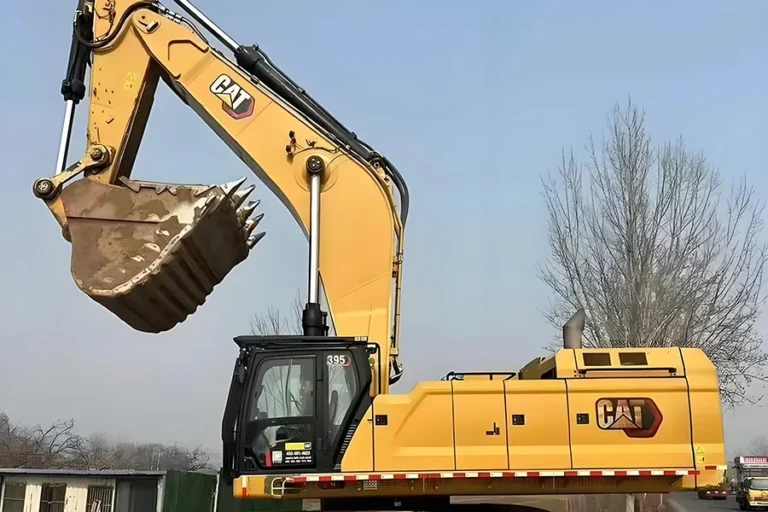


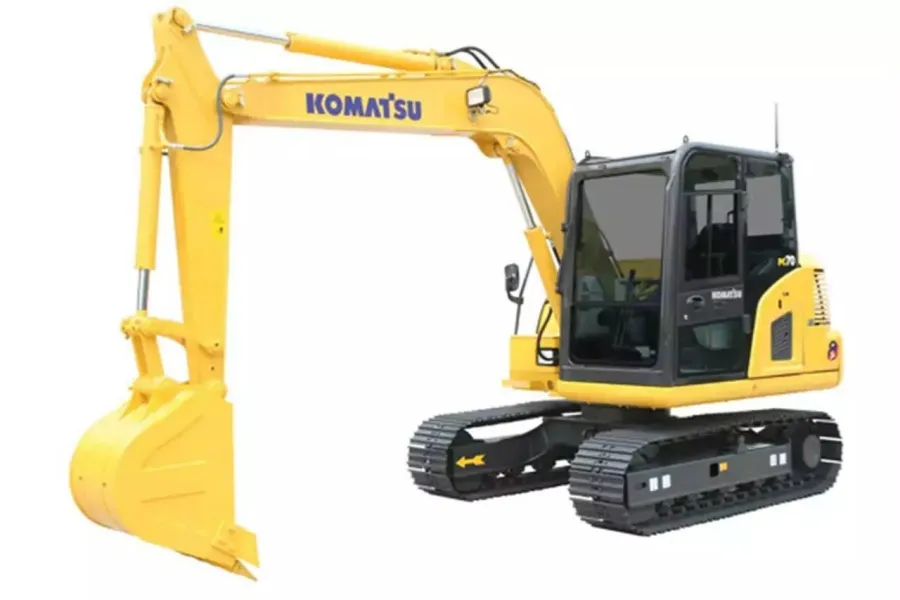
A hydraulic excavator is a core engineering tool, with models ranging from compact to ultra-large. This guide, based on practical needs, details specs, applicable scenarios, and performance highlights to help select the right one for family, construction, or mining projects.
1. Introduction to Hydraulic Excavator Selection
1.1 Core Selection Logic
Choose a right excavator based on project scale, workload, and operational environment. Key specs include engine power, operating weight, and bucket capacity—match them to actual needs while considering maintenance and fuel efficiency.
1.2 Value of Suitable Selection
A well-chosen hydraulic excavator ensures easy operation, high work efficiency, and lower long-term costs. It’s not just equipment but a reliable partner that adapts to diverse tasks, from small-yard digging to large-scale mining.
1.3 Common Selection Mistakes to Avoid
Avoid overestimating project needs (wasting costs on oversized models) or underestimating (causing inefficiency). Ignore key specs like terrain adaptability or after-sales support, which risk project delays and extra expenses.
2. Models & Specifications
2.1 Compact Hydraulic Excavator (Mini-Scale Tasks)
Engine power: 2.6kW; operating weight: 300kg; bucket capacity: 0.008m³. Quiet, lightweight, and easy to operate—ideal for family yard digging, no professional training needed, and safe for kids to be around.
2.2 Small Hydraulic Excavator (Entry-Level Projects)
Engine power: 48.5–53.9kW; operating weight: 6500–7460kg; bucket capacity: 0.3–0.39m³. Suits small construction sites in second-tier cities, with budget-friendly pricing and low resale depreciation.
2.3 Medium Hydraulic Excavator (Mid-Scale Construction)
Engine power: 190.5–200kW; operating weight: 35000–35020kg; bucket capacity: 1.5–1.9m³. Fuel-efficient (10-15% lower than predecessors), adapted to harsh environments and local fuel quality for reliable performance.
2.4 Large Hydraulic Excavator (Heavy-Duty Work)
Engine power: 336.5–391kW; operating weight: 69800–92020kg; bucket capacity: 4.6–6.6m³. Sturdy, powerful, and designed for mines/mountainous areas—perfect for skilled operators handling heavy workloads.
2.5 Premium Compact Hydraulic Excavator (Durability-Focused)
Engine power: 130kW; operating weight: 26490kg; bucket capacity: 1–1.4m³. Crafted with high-quality components, focusing on digging efficiency and user comfort—an ideal long-term partner for consistent use.
2.6 Ultra-Large Hydraulic Excavator (Top-Tier Tasks)
Engine power: 2984kW; operating weight: 800000–8100000kg; bucket capacity: 42–47.5m³. A mine “king” with unmatched power, only for elite operators at the industry’s top—dominates extreme heavy-duty tasks.
3. Application Scenarios
3.1 Power and Efficiency
Focus on engine power, digging force, and fuel consumption. A right excavator with balanced power and efficiency ensures fast task completion without excessive energy waste.
3.2 Durability and Reliability
Check material quality, structural design, and component lifespan. Prioritize models with reinforced frames and high-quality hydraulic systems to withstand long-term heavy use.
3.3 Maneuverability and Adaptability
Evaluate turning radius, climbing ability, and ground clearance. A flexible excavator performs well on uneven terrain, narrow sites, or remote project locations.
3.4 Specialized Application Considerations
Hydraulic excavators serve construction, water conservancy, power, roads, mines, and ports. They build homes, dredge rivers, lay pipelines, extract minerals, and support bridges/dams—indispensable for global infrastructure and urban renewal.
For wetland projects, choose waterproof hydraulic excavators; for high-altitude mining, opt for models with altitude-adapted engines to ensure stable performance.
5. Post-Purchase Support and Maintenance Tips
5.1 Importance of After-Sales Service
Select brands with timely technical support, spare parts supply, and on-site maintenance. Reliable after-sales ensures minimal downtime for your excavator.
5.2 Basic Maintenance Practices
Regularly inspect hydraulic oil, filters, and seals; clean radiators and lubricate moving parts. Proper maintenance extends your hydraulic excavator’s service life and preserves performance.