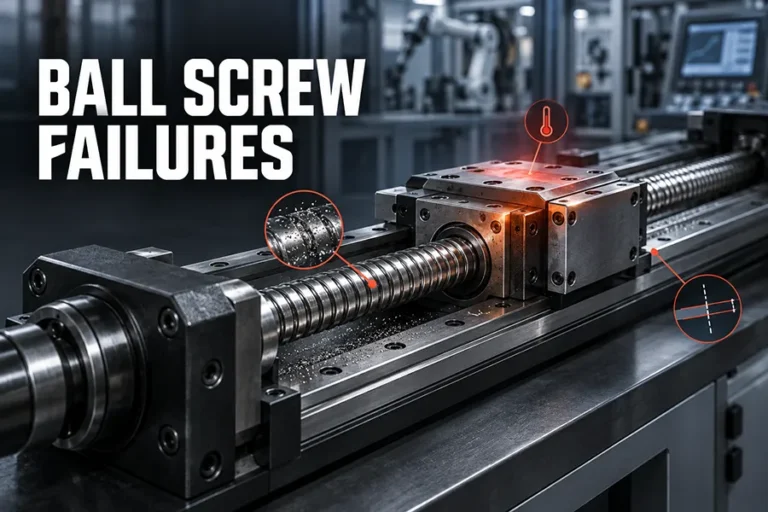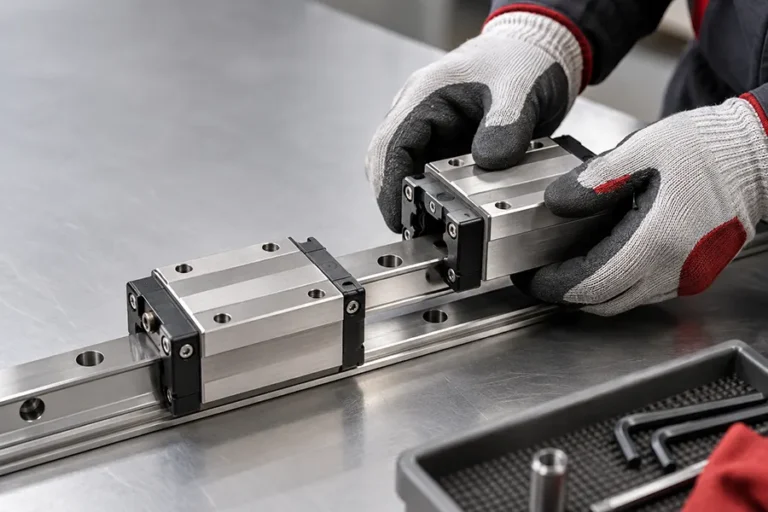
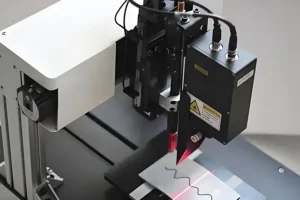

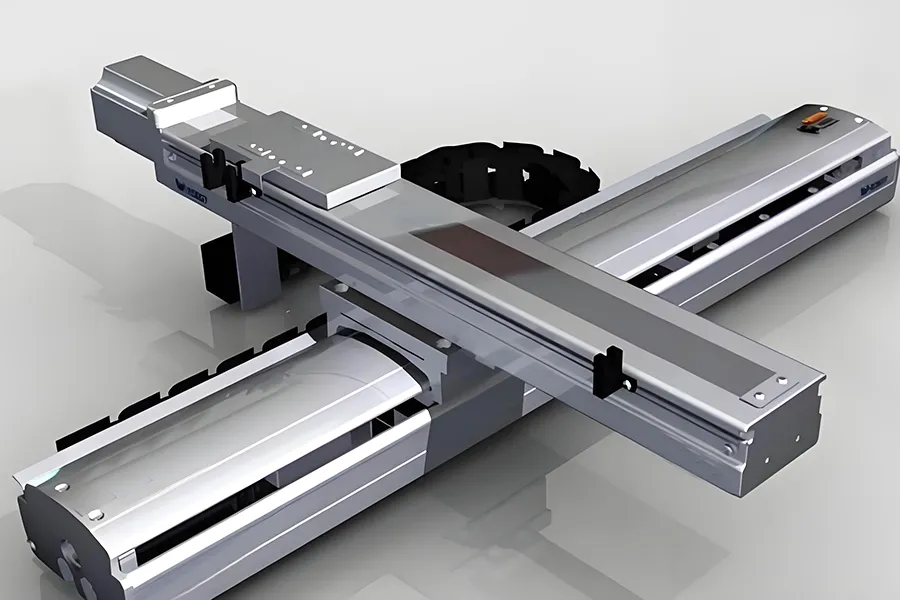
As the level of automation in manufacturing continues to rise, linear modules (also known as linear slides or linear actuator modules) have become indispensable core components of production lines. Capable of precise linear motion and compatible with servo or stepper motors, they meet diverse requirements regarding speed, accuracy, and load capacity. Many enterprises prioritize linear modules to replace manual operations during automation upgrades. So, in which stages of an automated production line are linear modules primarily applied?
1. Workpiece Handling and Loading/Unloading
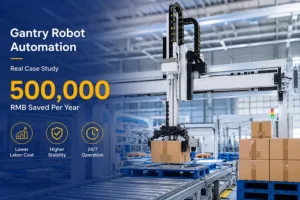
In industries such as electronics, hardware, and plastics, linear modules are frequently used for handling workpieces and for loading and unloading tasks. By combining linear modules with robotic arms, raw materials can be accurately placed at designated workstations, or finished products can be retrieved; this boosts efficiency while minimizing human error.
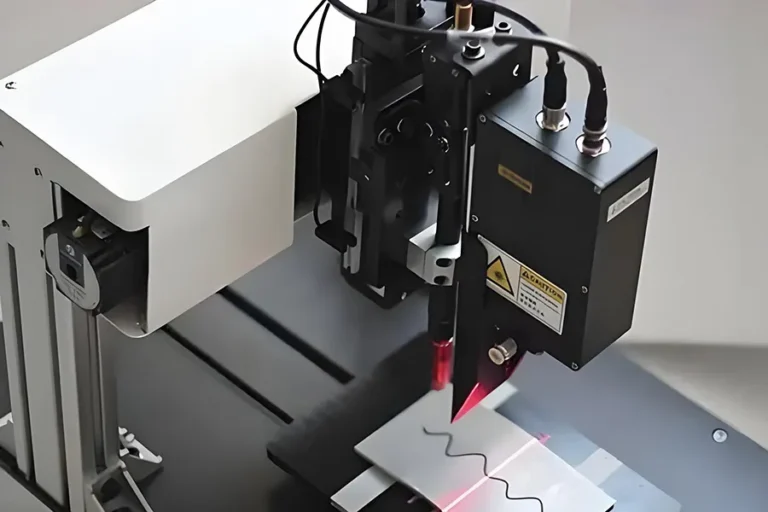
2. Automated Dispensing and Gluing
Industries such as 3C electronics, LED manufacturing, and automotive parts production demand extremely high precision in dispensing processes. When integrated with XYZ-axis platforms, linear modules enable high-speed, uniform, and precise dispensing paths, significantly increasing the yield rate of high-quality products.
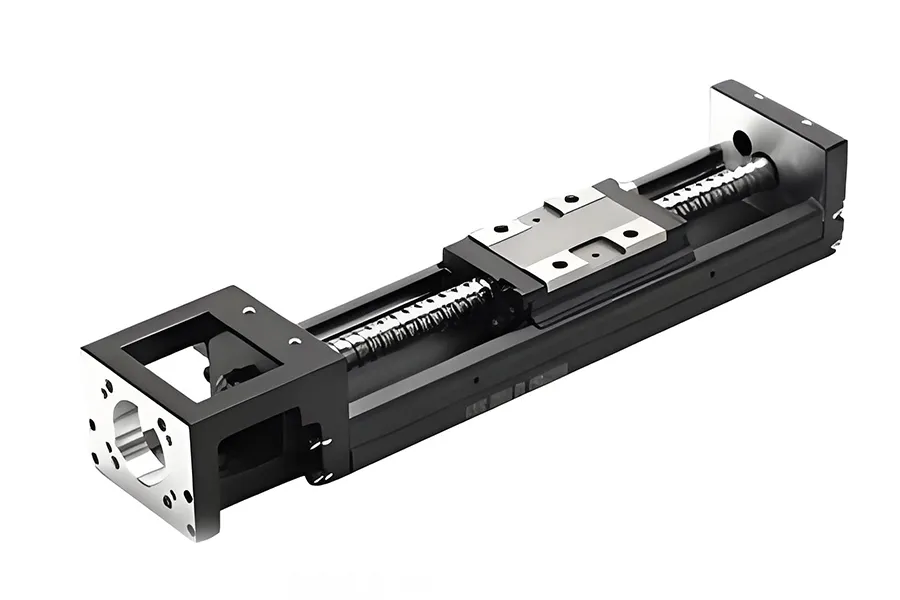
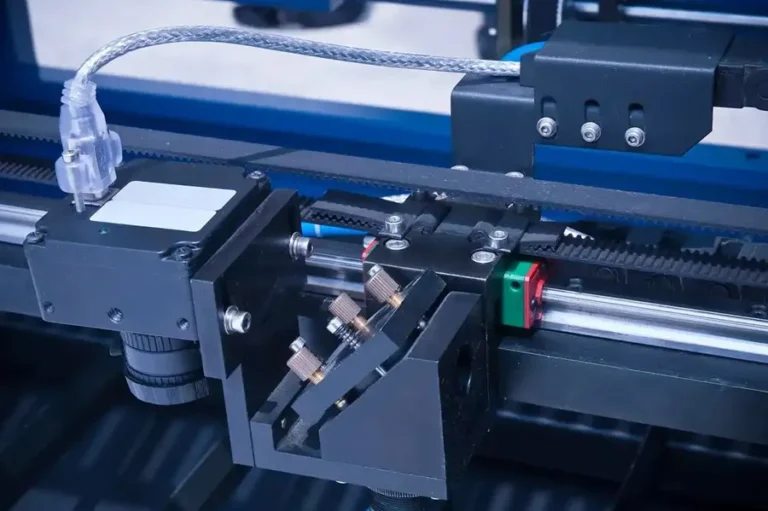
3. Laser Cutting and Marking
When paired with laser equipment, linear modules facilitate stable and precise motion control. Whether for metal cutting, plastic marking, or PCB engraving, linear modules ensure the accuracy of processing paths, thereby guaranteeing product quality.
4. Assembly and Fastening
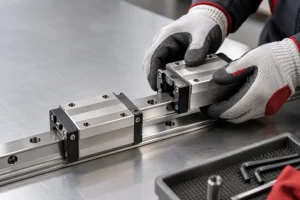
On precision assembly lines, linear modules are commonly used for tasks such as screw fastening and component insertion. Their high repeatability and positioning accuracy ensure the stability and consistency of every assembly action.
Thanks to advantages such as high precision, high efficiency, and customizability, linear modules are widely used in production stages including loading/unloading, dispensing, cutting, inspection, and assembly. For enterprises seeking to automate, linear modules not only boost production capacity but also reduce labor costs and enhance overall competitiveness.
Conclusion
Linear modules have extensive applications in automated production lines; processes ranging from material handling, automated assembly, and visual inspection to laser cutting and sorting systems all rely on stable, reliable linear motion mechanisms. They not only improve production efficiency but also enhance positioning accuracy, product consistency, and the overall level of equipment automation. If you require customized linear modules, please contact Simkawa; we can provide non-standard solutions tailored to your specific needs.