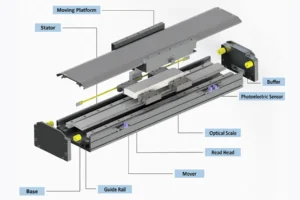
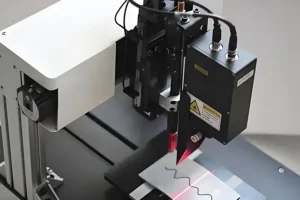

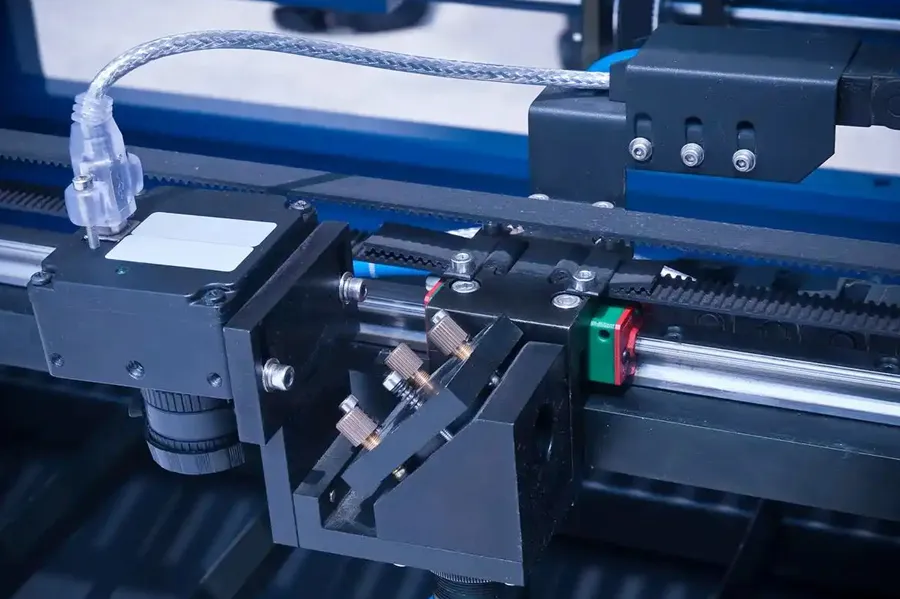
Linear guides are mechanical components used for precise motion guidance, widely used in various industrial equipment such as CNC machine tools, automated production lines, 3D printers, medical devices, and testing equipment. Their core function is to provide a high-precision, low-friction movement path in a straight line, thereby ensuring the stability and accuracy of the equipment.
1. Applications of Linear Motion Rails
1.1 CNC Machine Tools
Linear motion rails are an indispensable component of CNC machine tools, ensuring the smooth movement of the cutting tool during machining. By reducing friction and errors, they enable machine tools to achieve high-precision machining, thus meeting the manufacturing requirements of complex parts.
1.2 Automated Production Lines
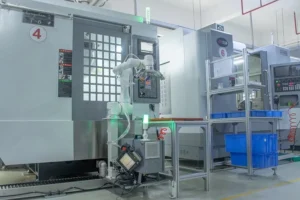
In automated production lines, linear motion rails help material handling systems, robotic arms, and other equipment achieve precise positioning and movement. This precision is crucial for improving production efficiency and product quality.
1.3 3D Printers
In 3D printing, linear guides ensure the precise movement of the print head to achieve high-resolution printing results. Whether in industrial-grade or desktop 3D printers, linear guides are a key component.
1.4 Medical Devices
In the medical field, linear guides are used in high-precision instruments and equipment, such as CT scanners and surgical robots. Their stability and accuracy directly affect the safety and effectiveness of medical procedures.
2. Linear Guide Precautions
2.1 Selection and Installation
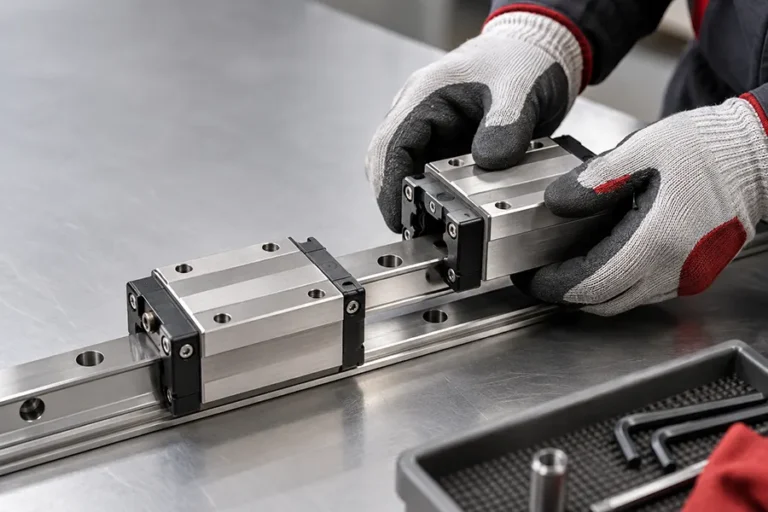
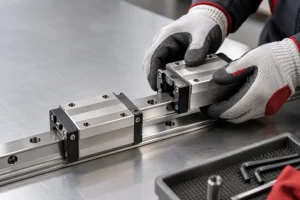
Choosing the right linear guide is the first step in ensuring equipment performance. Factors such as load weight, movement speed, and accuracy requirements must be considered during selection. During installation, it is essential to ensure the guide is parallel to the equipment base and to strictly control the torque of the mounting bolts to prevent deformation and loss of accuracy.
2.2 Lubrication and Maintenance
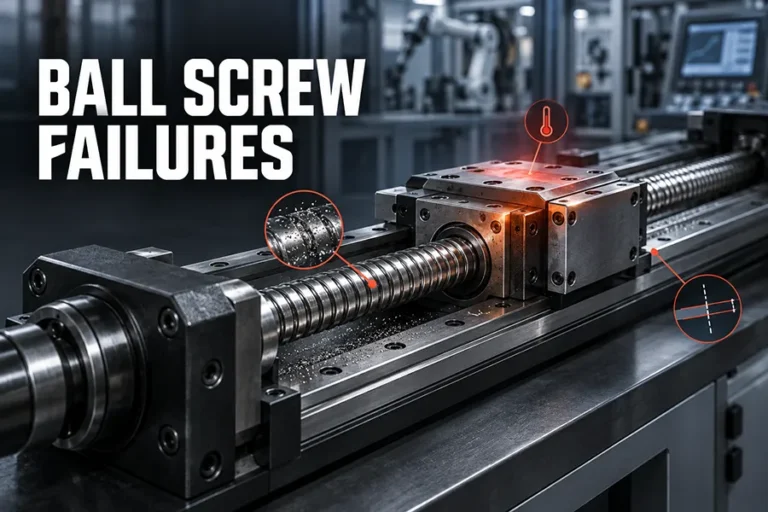
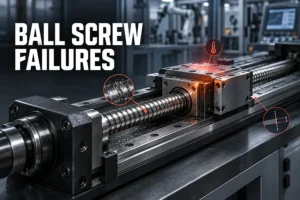
Lubrication of linear guides is crucial to their performance. Lack of lubrication increases friction, leading to guide wear and even equipment malfunction. Regularly checking and replenishing lubricant according to the usage environment and frequency can extend the service life of the guide.
2.3 Environmental Factors
Linear motion rails have high requirements for environmental cleanliness. Dust, metal shavings, and other impurities may enter the guide, causing uneven movement and affecting equipment accuracy. To avoid this, dust prevention measures should be taken during guide installation, and the working environment should be kept clean.
2.4 Load Capacity
Although linear guides are designed with high load capacity, overloading should be avoided in practical applications. Overloading not only accelerates guide wear but may also lead to overall equipment failure. Therefore, understanding the equipment’s workload and selecting guides of appropriate specifications is crucial.
Summary
In conclusion, linear motion rails play a vital role in industrial automation. Proper selection, installation, lubrication, and maintenance can significantly improve equipment efficiency and lifespan, ensuring smooth production processes.