

Robotics Automation Training: A Strategic Solution to Labor Shortages
Labor shortages have become a stubborn headache for manufacturing, logistics, and industrial businesses worldwide—they mess with supply chains, slow down production, and stop you from growing like you want to. Now, as more companies turn to robotic tech to make operations smoother, there’s a bigger gap between the skills your team has and what the tech needs. That’s why robotics automation training isn’t just a “nice extra” anymore—it’s a key move to fix staffing shortages for good.
The Core Drivers of Labor Shortages in Tech-Driven Industries
To see how robotics automation training fixes labor shortages, let’s start by breaking down why the problem exists in the first place:
1.Skill Mismatch as a Primary Barrier
Here’s the thing: A lot of your current team doesn’t have the technical know-how to run, fix, or troubleshoot robotic systems. And when you hire new people? Most don’t come with the robotic skills specific to your industry. So you end up with open roles even when there are people looking for jobs—frustrating, right?
2.Demographic and Attrition Challenges
Another big issue: The experienced workers in industrial fields are retiring faster than you can hire new ones. Plus, younger folks don’t want to take manual labor jobs unless there’s a clear path to learn new skills and move up. No growth opportunities? They’ll look elsewhere.
How Robotics Automation Training Directly Addresses Labor Shortages
Robotics automation training isn’t a one-trick fix—it helps close labor gaps in a few practical ways, whether you’re upskilling your current team or bringing in new hires:
1.Upskilling Existing Workforce to Fill Critical Roles
Instead of scrambling to find hard-to-come-by external talent, you can invest in robotics automation training for your current staff. This lets them move from low-skill manual jobs to high-value technical roles—like robotic technicians or automation engineers. You’ll save on recruitment costs, and you’ll keep team members who already know how your business works.
2.Lowering Barriers for New Talent Recruitment
Structured robotics automation training makes entry-level roles easier to access for people without prior robotic experience. Offer on-the-job training, and you’ll open the door to way more candidates: career changers, recent grads, even folks from groups that don’t usually get into this field. Suddenly, your hiring pool gets a lot bigger.
3.Boosting Productivity to Offset Staffing Gaps
Trained employees can run and manage multiple robotic systems at once—so each person gets more done, and you don’t need a huge manual labor team. Even if you’re short on staff, robotics automation training lets you keep hitting (or even beating) your production goals. No more stressing over “not enough hands.”
Key Best Practices for Implementing Effective Robotics Automation Training
To get the most out of robotics automation training (and really fix those labor shortages), here are some actionable steps you can take:
1.Align Training with Industry-Specific Needs
Don’t waste time on generic robotics classes. Design your training around the systems and processes your business uses—like collaborative robots for manufacturing or automated guided vehicles for logistics. That way, your team learns exactly what they need to do their jobs better.
2.Combine Hands-On and Classroom Learning
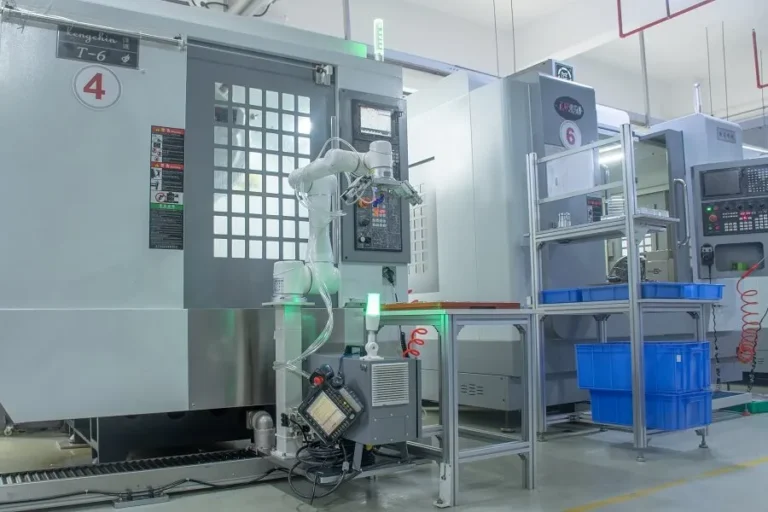
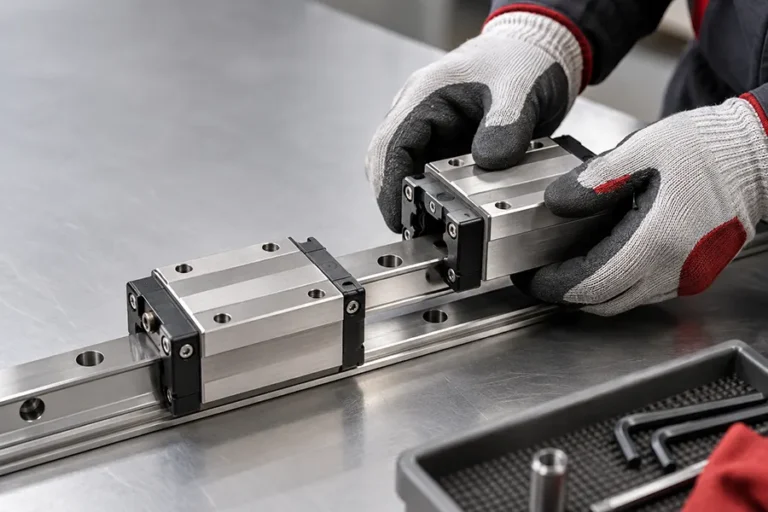
Theory matters, but nothing beats getting hands-on with real robotic equipment. Mix classroom lessons (to build a foundation) with practical practice—so your team can apply what they learn right away. No more “I learned it, but I can’t use it” moments.
3.Offer Continuous Learning Opportunities
Robotic tech changes fast—so one-and-done training won’t cut it. Add ongoing robotics automation training, like refresher courses or advanced modules. This keeps your team’s skills up-to-date, so they never fall behind when new tech comes in.
Beyond Labor Shortages: Long-Term Benefits of Robotics Automation Training
Fixing labor shortages is the immediate win, but robotics automation training gives you long-term perks that make your business stronger:
- Safer operations: Less human error in high-risk tasks means fewer accidents.
- More competitiveness: You’ll adopt new robotic tech faster than competitors who don’t train their teams.
- Happier, more loyal employees: Clear career growth from training means people stay longer—no more constant turnover.
Conclusion
Labor shortages aren’t going away anytime soon, but robotics automation training gives you a sustainable way to deal with them. When you invest in upskilling and reskilling, you turn your workforce into a flexible, tech-savvy team—one that not only fills open roles but also helps your business innovate and grow. In a world where good talent is hard to find, robotics automation training is the bridge between “we’re short-staffed” and “we’re thriving.”