
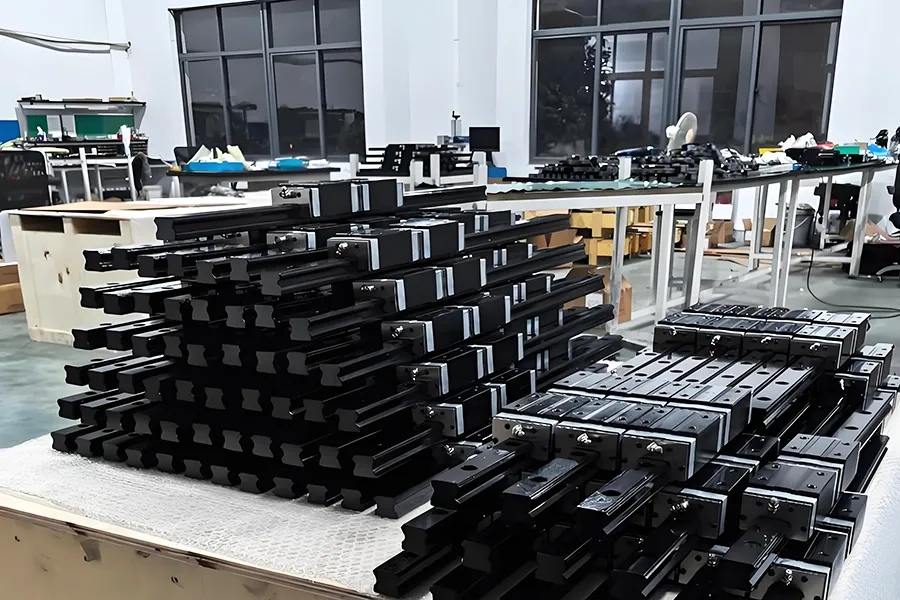
The use of linear guides is widespread, especially in the field of mechanical processing and manufacturing. Linear guides themselves are high-precision components, so their surface treatment technology is constantly being upgraded, and there are many precautions to consider during use.
1. Common Causes of Corrosion
Root causes of corrosion: The dual challenge of environment and contact:
• Metal surface directly exposed to air;
• Contact with corrosive liquids or gases;
• Insufficient lubrication or lubricant failure;
• Contact with human secretions such as sweat.
Corrosion of linear guides mainly stems from two aspects: the chemical corrosion of the metal itself and external environmental erosion. Among these, human contact during operation is particularly crucial. Human sweat is weakly acidic and contains various salts and organic acids. When sweat comes into contact with the metal surface of the guide rail, it forms an electrolyte film, inducing electrochemical reactions and leading to metal corrosion. Even if anti-rust oil is applied at the factory, improper operation and storage can still expose the guide rail to the risk of corrosion.
2. Anti-corrosion Measures for Linear Guides
2.1 Stainless Steel Material + Anti-rust Coating
The guide rail uses 304 stainless steel (highly corrosion-resistant), with a multi-layer chrome anti-rust coating on the surface. It shows no signs of rust after a 500-hour salt spray test, maintaining a smooth, rust-free surface even with prolonged contact with water and coolant, making it suitable for humid and wet environments.
2.2 Coating Protection
CSK linear guides use three methods for surface treatment: industrial black chrome coating, manganese phosphate coating, and primary chrome plating. These methods improve corrosion resistance without affecting the precision of the linear guide, while also changing its appearance.
3. Maintenance Guide
3.1 Operational Maintenance
- Internal Guide Rail Protection
For guide rails that are shielded inside the equipment, regularly check the lubrication status of the surface. Replenish lubricating oil or grease as needed to maintain an effective oil film, reduce friction and wear, and extend the life of the slider.
- Exposed Guide Rail Maintenance
Guide rails exposed to dust and moisture require more frequent maintenance. It is recommended to clean the accumulated oil and impurities on the guide rail surface weekly, and reapply an appropriate amount of lubricating oil (grease) after cleaning. Regular maintenance is fundamental to ensuring its long-term smooth operation.
3.2 Regular Cleaning
To prevent rust on the guide rails, we need to keep the surface of the linear guide rails clean. The cleaning method should be selected according to the nature of the anti-rust object surface and the operating conditions. After cleaning, it must be thoroughly dried. This can be done by blowing with filtered compressed air, drying with a special drying equipment (at a moderate temperature), or wiping with a clean, lint-free cloth. Immediately after drying, apply anti-rust oil, using methods such as dipping, brushing, or spraying to ensure even coverage of the oil film.
3.3 Lubrication and Maintenance
CSK applies a layer of anti-rust oil to the linear guide rails before they leave the factory to protect them from rust. Many users neglect to reapply anti-rust oil regularly when storing the linear guide rails in a warehouse. Once the factory-applied anti-rust oil evaporates, the protection it provides to the linear guide rails is gone. Therefore, regular lubrication and maintenance of the linear guide rails are very necessary.
4. Precautions
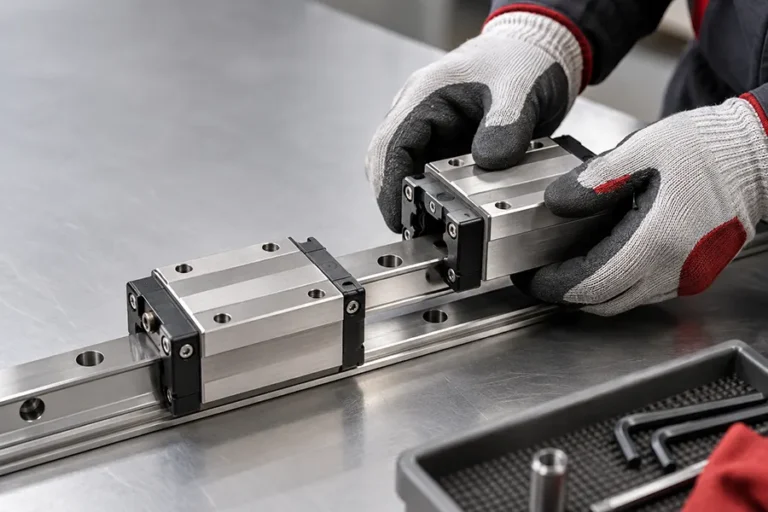
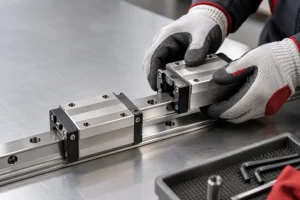
- To prevent corrosion, when handling the linear guide rails directly with your hands, you should wash off any sweat from your hands and apply high-quality mineral oil before use, especially during the rainy season and summer, paying particular attention to rust prevention.
- Maintain a clean environment, keeping the linear guide rails and their surrounding environment clean. Even tiny dust particles invisible to the naked eye can increase wear on the guide rails, causing vibration and noise.
- Install carefully. Linear guide rails must be installed carefully during use. Do not use excessive force, do not directly strike the guide rails with a hammer, and do not transmit pressure through the rolling elements.
- Use correct installation tools. Linear guide rails require appropriate and accurate installation tools. Specialized tools should be used whenever possible, avoiding the use of cloth and fibrous materials.
Summary
The coating and anti-corrosion technology of linear guide rails play a crucial role in improving equipment operating stability, extending lifespan, and reducing maintenance costs. Choosing the appropriate coating process not only improves equipment performance but also significantly reduces downtime and losses.