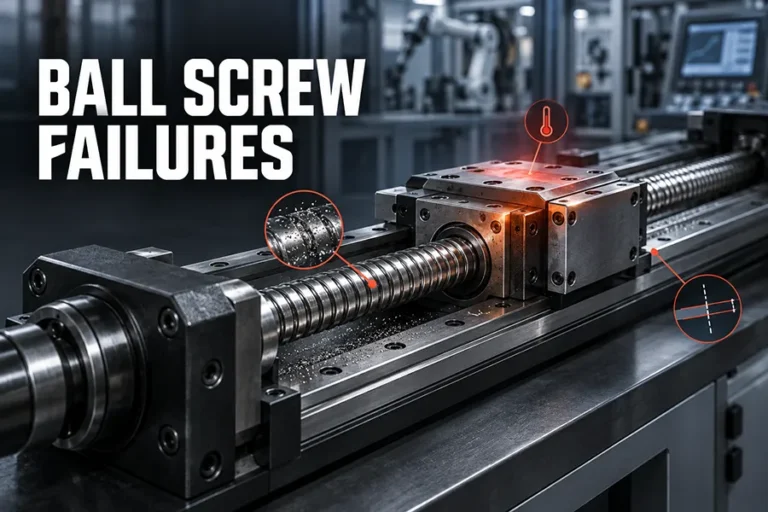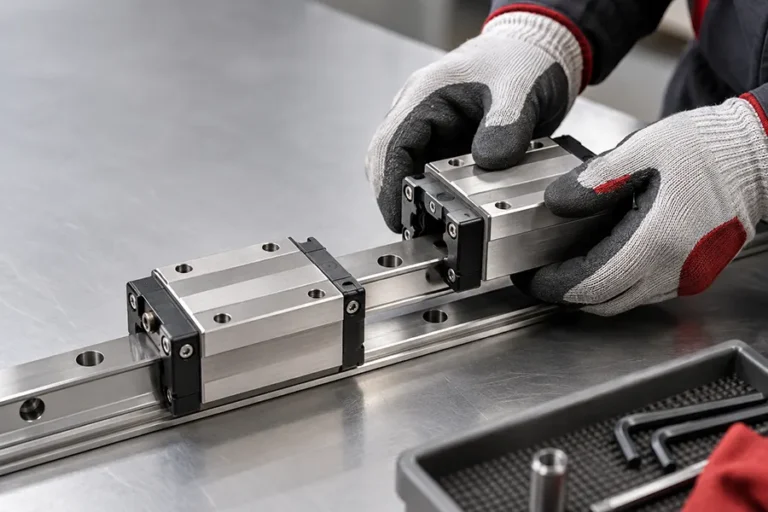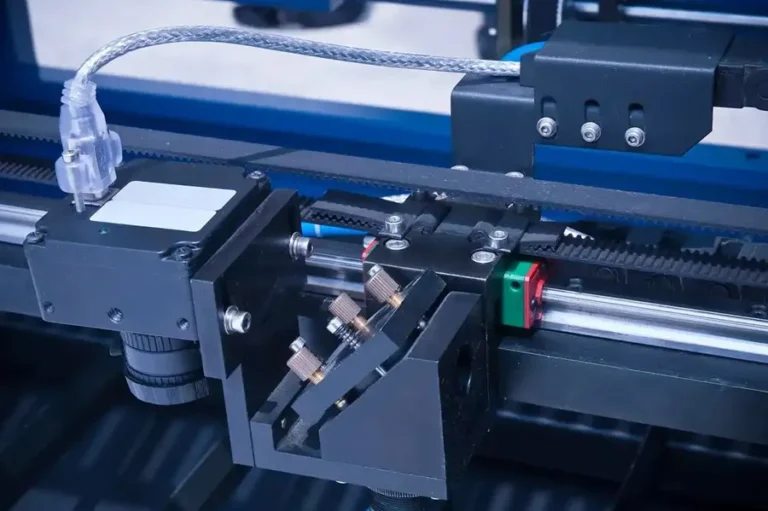
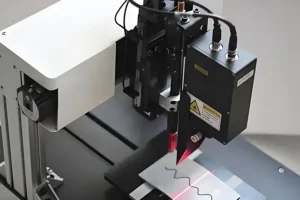

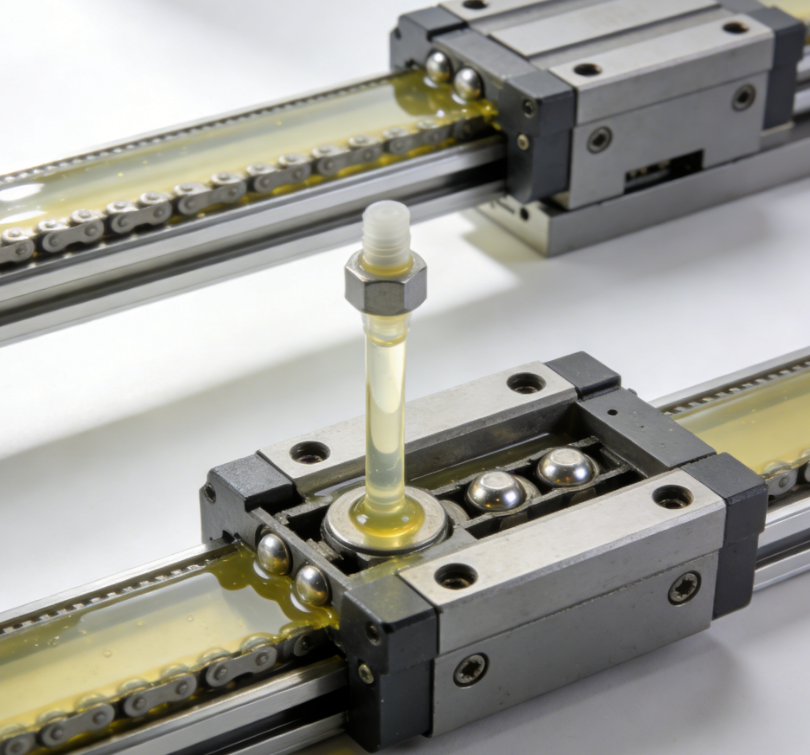
Linear guide lubrication is essential for maintaining precision and extending service life in mechanical systems. A well-designed lubrication system reduces friction, prevents corrosion, and ensures smooth operation. This article details best practices for designing and maintaining linear guide lubrication systems to optimize performance and durability.
1. Optimizing Linear Guide Lubrication Systems
A comprehensive linear guide lubrication strategy involves several key components: selecting appropriate lubricants, implementing effective delivery methods, and ensuring proper sealing to protect the system.
1.1 Lubricant Selection for Linear Guides
Lubricants serve not only to reduce friction between the guide and the mechanical components but also to act as a barrier against moisture and corrosion. Choosing the right lubricant depends on the operating environment and load conditions. Common types include:
-
High-temperature grease: Suitable for environments with elevated temperatures.
-
Extreme-pressure grease: Designed for high-load applications.
-
Cleanroom grease: Prevents contamination in dust-sensitive environments.
-
Anti-corrosion grease: Offers protection against rust and chemical erosion.
-
Vacuum grease: Functions effectively in vacuum conditions.
Selecting a lubricant with the correct viscosity and additives is crucial for maintaining linear guide lubrication effectiveness under varying operational stresses.
1.2 Implementing Automatic Lubrication Systems
An automatic linear guide lubrication system provides precise control over lubricant delivery, ensuring consistent application without manual intervention. These systems typically consist of a central pump, distribution lines, and controllers that regulate the amount and frequency of lubrication.
Design principles often involve progressive or parallel distribution methods to ensure even lubricant supply to all critical points. Modern systems may integrate programmable logic controllers (PLCs) or smart sensors to adapt lubrication cycles based on real-time operating conditions, thereby enhancing efficiency and reducing waste.
1.3 Sealing Solutions to Protect Lubrication Integrity
Effective sealing is vital to prevent contaminants like dust, chips, or liquids from entering the guide system, which can degrade linear guide lubrication and cause premature wear. Best practices include:
-
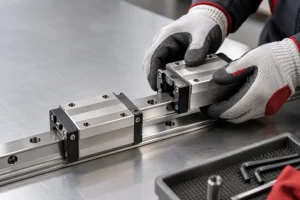
Using end seals and scrapers on guide blocks.
-
Incorporating seal bands or bellows for added protection.
-
Designing custom seals for non-standard or harsh environments.
Proper sealing maintains lubricant cleanliness and extends the intervals between maintenance, supporting long-term system reliability.
2. Comparing Lubrication Methods
Different lubrication approaches offer distinct advantages depending on the application requirements.
2.1 Manual Lubrication
-
Advantages: Low initial cost, simple implementation for systems with few lubrication points.
-
Disadvantages: Labor-intensive, inconsistent application, and higher risk of human error or omission.
2.2 Automatic Oil/Grease Injection Systems
-
Advantages: Consistent and programmable lubrication, reduced manual effort, suitable for complex or continuous operations.
-
Disadvantages: Higher upfront investment and need for periodic system maintenance.
2.3 Built-in Oil Reservoir Systems
-
Advantages: Provides long-term lubrication with minimal maintenance, ideal for sealed or hard-to-access guides.
-
Disadvantages: Requires monitoring of lubricant level and condition; may need custom design for specific applications.
3. Material and Manufacturing Considerations
Selecting materials with high strength and low friction coefficients further enhances linear guide lubrication efficiency. Materials such as certain polymers and sintered metals offer inherent lubricity and wear resistance. Manufacturing processes like precision grinding, hardening, and surface treatments ensure smooth guide surfaces that facilitate effective lubricant film formation and reduce mechanical wear.
4.Routine Maintenance for Sustained Performance
Regular maintenance is critical. This includes:
-
Periodically checking and replenishing lubricant.
-
Inspecting seals for damage.
-
Adjusting preload and alignment to prevent excessive stress.
-
Monitoring system performance for early signs of lubrication failure.
Adhering to a scheduled maintenance plan ensures that the linear guide lubrication system continues to operate at peak efficiency, safeguarding precision and prolonging component life.
5. Conclusion
A holistic approach to linear guide lubrication—encompassing careful lubricant selection, reliable delivery systems, robust sealing, and consistent maintenance—is fundamental to achieving high precision and longevity in linear motion systems. By implementing these design and upkeep strategies, operators can maximize performance and minimize downtime, ensuring their equipment remains reliable over the long term. Effective linear guide lubrication is not merely a maintenance task but a core aspect of mechanical system design and optimization.