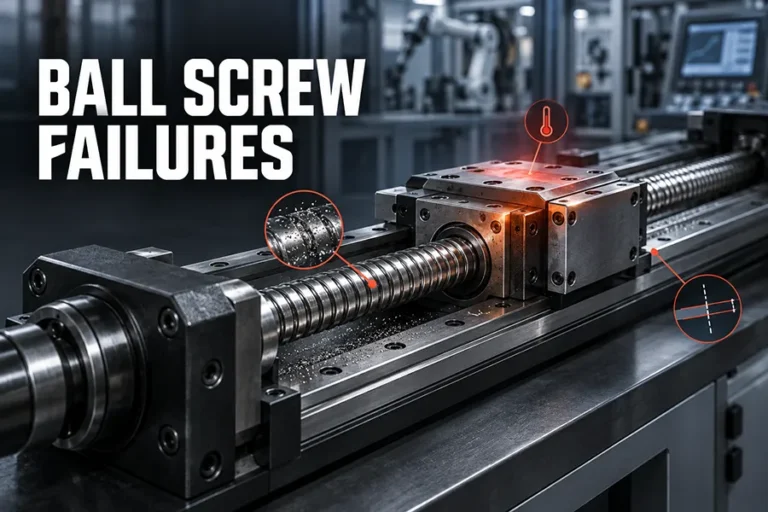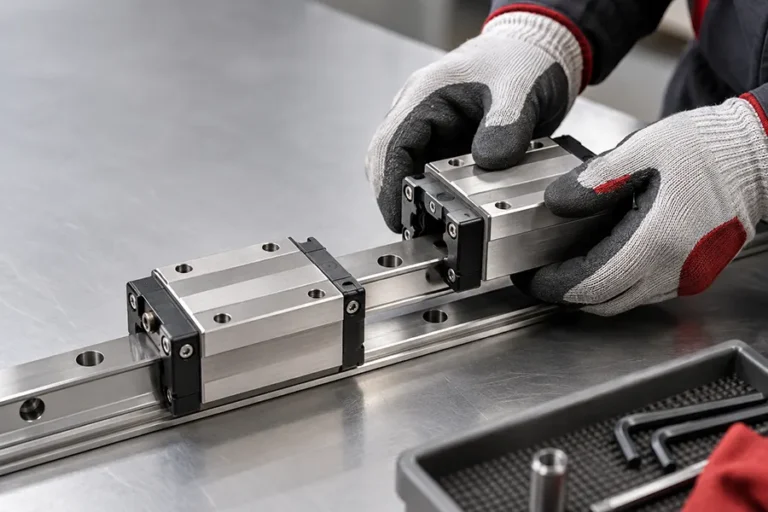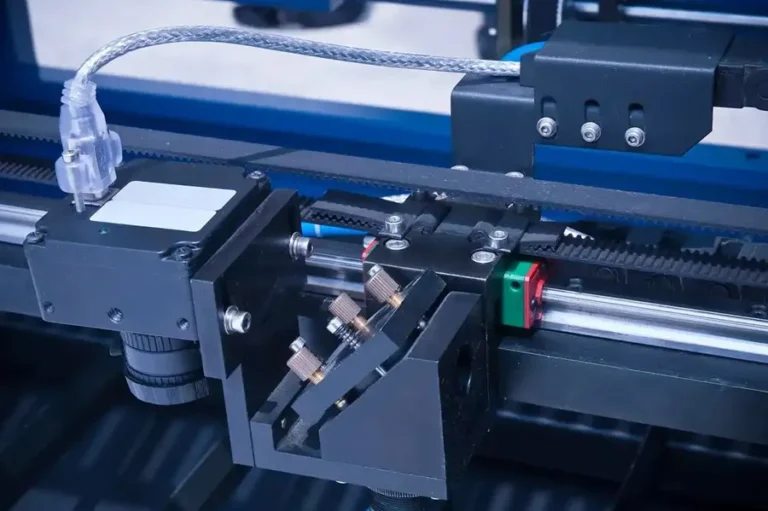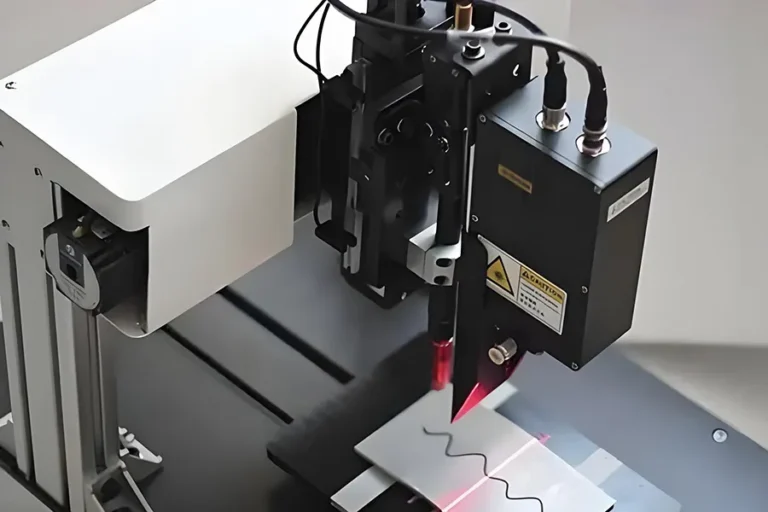

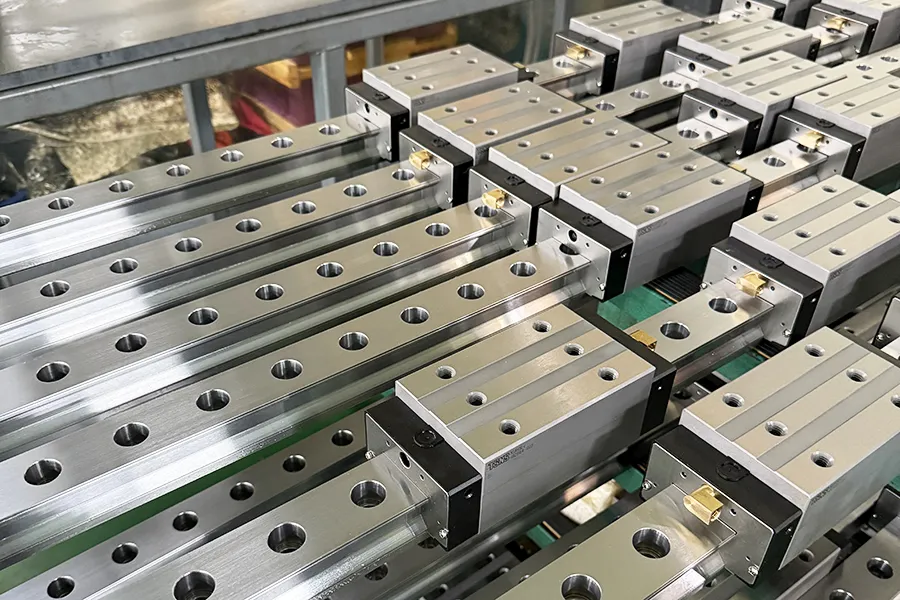
In modern industrial automation, linear rails are one of the key components for achieving high-precision linear motion. They are widely used in CNC machine tools, 3D printers, industrial robots, laser equipment, automated assembly lines, and other fields. Whether in metal processing, electronics manufacturing, or medical equipment, linear guides are a crucial foundation for ensuring the smooth, accurate, and efficient operation of equipment.
1. Working Principle
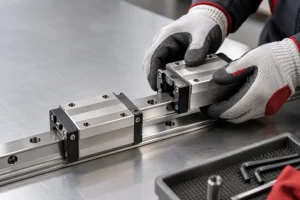
Linear rails primarily utilize the rolling of balls between the guide rail and the slider to transmit power. When the slider is subjected to an external force, the balls roll along the straight line of the guide rail, driving the slider in linear motion. Due to the very low coefficient of rolling friction of the balls, linear guides provide high motion accuracy and smoothness.
2. Main Types
Linear rails can be divided into two main categories based on their structure and application: ball-type and roller-type.
2.1 Ball-Type Linear Guides
Features: Most common, low friction, high precision, high cost-effectiveness.
Common models include:
- LG Heavy Duty Linear Rails — High load capacity, suitable for large equipment.
- LM Low Profile Linear Rails — Compact structure, suitable for devices with limited space. LGN Miniature Linear Guides — Compact size, smooth operation, commonly used in precision instruments and electronic equipment.
- LGW Wide Miniature Linear Rails — Widened design for improved lateral stability.
- LMGQ Linear Rails — Balancing high precision and durability, suitable for medium- to high-speed applications.
2.2 Roller-Type Linear Guides
Features: Roller-supported for higher rigidity and greater load capacity, particularly suitable for heavy machinery and industrial automation.
Common Models:
- LMR Linear Roller Rails — High load capacity, high rigidity design, and strong stability.
3. Features and Applications
3.1 High-Precision Guiding
- Applications: In applications requiring precise positioning (such as CNC machine tools, measuring equipment, and semiconductor manufacturing equipment), linear rails, through their low-friction, high-rigidity structure, ensure that moving parts follow a predetermined trajectory, reducing deviations.
- Typical Scenarios: Tool movement in CNC machining centers, print head positioning in 3D printers.
3.2 Load Bearing and Support
- Applications: Withstands vertical, horizontal, and moment loads; distributes the weight and external forces of moving parts; protects equipment structure.
- Typical Scenarios: Linear motion of industrial robot arms; heavy object handling in automated production lines.
3.3 Improved Motion Efficiency
- Low Friction Design: Employs ball or roller structures to reduce frictional resistance, improving motion speed and energy efficiency.
- Typical Scenarios: High-speed packaging machinery; rapid reciprocating motion in logistics sorting systems.
3.4 Long Lifespan and Stability
- Wear-Resistant Materials: Linear rails and sliders typically use hardened steel or coating technology to meet the demands of high-frequency, long-term use.
- Typical Scenarios: Repetitive operations on automotive assembly lines; continuous production in injection molding machines.
3.5 Modularization and Flexibility
- Applications: Standardized design facilitates installation and maintenance; flexible adjustment of length and configuration adapts to different equipment needs.
- Typical Scenarios: Track expansion of automated warehousing systems; customized modification of laboratory equipment.
3.6 Adaptability to Complex Environments
- Dustproof and Sealing: Some guide rails are dustproof, waterproof, or corrosion-resistant, suitable for harsh environments.
- Typical scenarios: food processing equipment (humid environments), moving mechanisms of outdoor testing instruments.
Summary
Linear rails are the “invisible heroes” of modern industrial automation, renowned for their high precision, low friction, high rigidity, and durability. For any equipment requiring high positioning accuracy and stable linear motion, selecting the appropriate linear guide is a crucial step in achieving high-quality production.